
Overdevelopment or NIMBY? The Taman Desa and Bukit Damansara Debates Show KL’s Planning Fault Lines
timer
5 minutes read
October 9, 2025
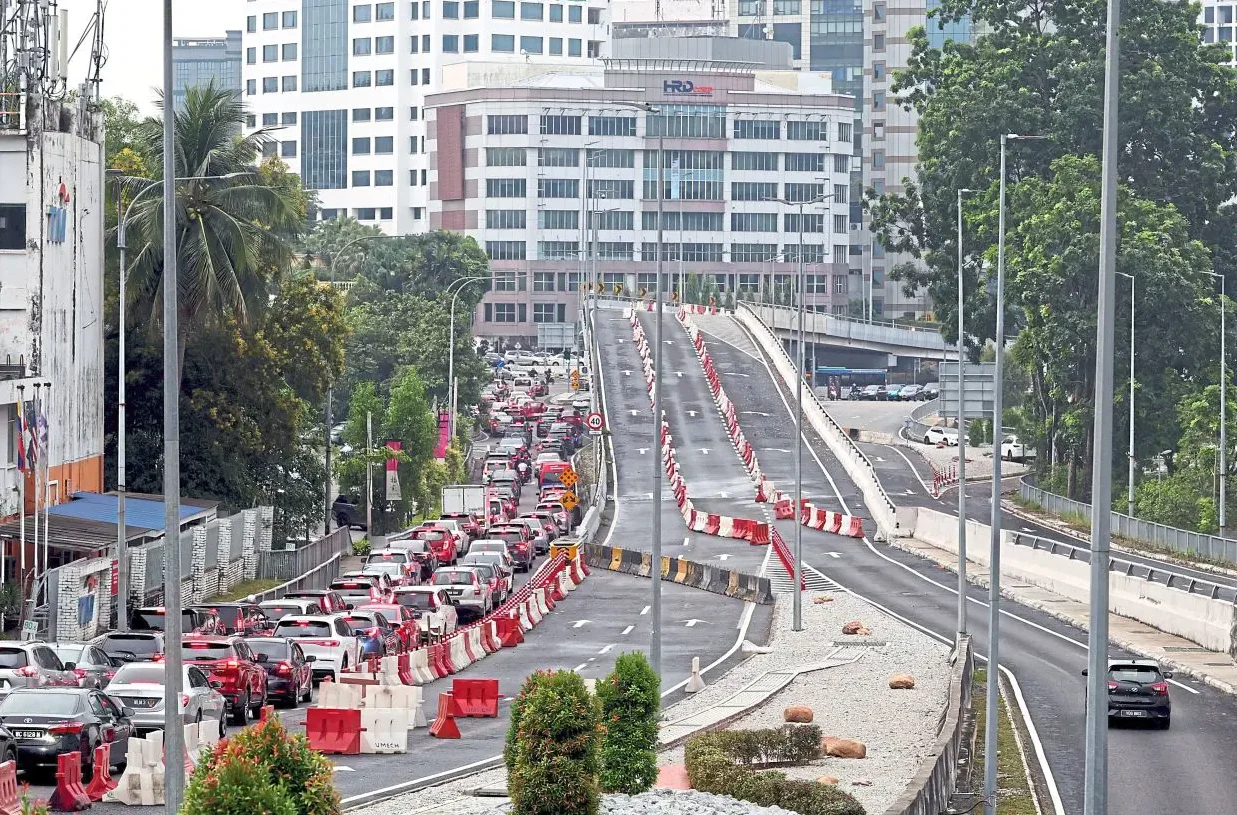
KUALA LUMPUR, Oct 2025 — Two of Kuala Lumpur’s most prominent residential neighbourhoods, Taman Desa and Bukit Damansara, have become focal points in Malaysia’s ongoing debate over urban development. While residents cite concerns about traffic congestion and infrastructure strain, others argue these disputes reflect a growing “not in my backyard” — or NIMBY — sentiment among affluent communities.
Both neighbourhoods tell a similar story: longstanding residents, new high-rise proposals, and the question of whether the city’s infrastructure is keeping pace with its skyline.
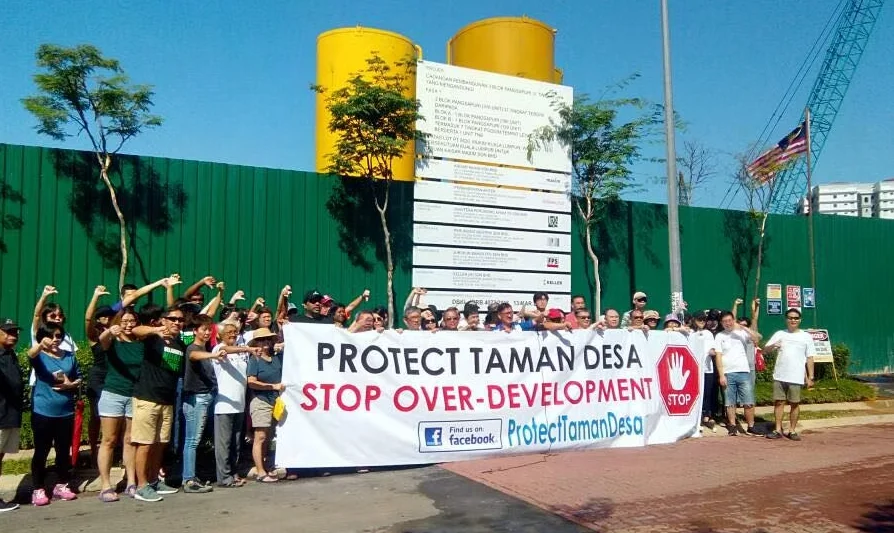
In Taman Danau Desa, residents have voiced objections to the rezoning of two plots along Jalan 3/109f — a 0.86-acre parcel previously earmarked for a police station and a 2.11-acre site used as a playground. Both plots were rezoned with a plot ratio of 3.5, allowing higher density than the surrounding low- to mid-rise developments.
Local community group Protect Taman Desa argues that the area’s narrow access roads, roughly 450–500 metres long, already serve several existing condominiums, and that additional units could overwhelm traffic and parking capacity. They also highlight the potential loss of green space used for recreation.
City Hall (DBKL) maintains that all zoning and development applications are subject to review processes and technical requirements, including traffic impact assessments (TIAs) and community consultations. However, residents say communication about these changes has been limited.

In Bukit Damansara, residents recently gathered to protest a proposed redevelopment of Wisma Damansara on Jalan Semantan by BRDB Developments Sdn Bhd. The project involves two high-rise towers of up to 60 storeys, replacing the existing low-rise commercial block.
Protesters, including several public figures, argued that the development could worsen congestion along Jalan Semantan — a major artery already known for bottlenecks. DBKL later confirmed that the developer’s proposal is still under technical review and no approval has been granted.
While residents cite legitimate infrastructure concerns, the protest sparked online debate. Many social media users viewed it as an example of NIMBYism — where wealthy homeowners resist densification in their neighbourhoods, even as Kuala Lumpur faces housing supply challenges elsewhere.
Both cases share a common foundation — traffic and infrastructure capacity. Malaysia’s high car ownership rate, coupled with limited public transport coverage in many residential zones, amplifies the impact of new developments on local roads.
Urban planners note that even well-intentioned projects can strain existing systems when infrastructure upgrades don’t accompany higher densities. Without sufficient mitigation — such as junction improvements, pedestrian connectivity, and parking controls — congestion often becomes a flashpoint for public opposition.
Experts say the truth lies somewhere in between.
Urban sociologist Prof Awang Azman Awang Pawi told The Straits Times that Malaysia’s development disputes often reveal tensions between planning policy and public perception.
In Taman Desa, the dispute revolves around rezoning of public land and the adequacy of infrastructure planning. In Bukit Damansara, critics argue the protest is more about preserving exclusivity than infrastructure. Both cases, however, highlight the importance of transparent engagement between developers, local authorities, and residents.
Public policy analysts suggest clearer communication from DBKL — including publication of TIAs and detailed zoning justifications — could help reduce speculation and mistrust.
Kuala Lumpur’s population growth and land scarcity have pushed developers toward vertical expansion and infill projects. While these strategies make efficient use of land, they also expose weaknesses in planning coordination between local councils, transport agencies, and developers.
Analysts suggest several steps to balance growth and livability:
Require transparent rezoning processes with published justifications.
Mandate public consultation periods for all density-increasing projects.
Ensure TIAs are independently verified and made public.
Introduce inclusionary zoning policies to align upscale developments with affordable housing goals.
Strengthen oversight on the conversion of public land.
Ultimately, the question is not whether Kuala Lumpur should grow — but how that growth can occur without eroding the city’s livability or worsening congestion.
Both the Taman Desa and Bukit Damansara episodes show that residents’ concerns can coexist with the city’s need to modernize. Genuine planning issues — such as inadequate road capacity or loss of community space — should be addressed transparently.
At the same time, cities must balance these with the necessity of densification and equitable access to housing.
What these incidents reveal most clearly is that Kuala Lumpur’s future development will increasingly hinge on trust — between residents, developers, and city planners — and how that trust is maintained through transparent, data-driven decisions.
What does “NIMBY” mean?
It stands for Not In My Backyard — opposition to developments perceived as undesirable when located near one’s own area.
What are Taman Desa residents objecting to?
Rezoning of two public plots that could allow higher-density residential buildings on narrow local roads.
Why are Bukit Damansara residents protesting?
Concerns over traffic congestion and loss of neighbourhood character from a proposed 60-storey redevelopment.
Has DBKL approved either project?
No. Both proposals remain under review by DBKL’s technical departments.
Is traffic the only issue?
No. Residents also cite environmental, safety, and public-space concerns.
Are protests like these common in Kuala Lumpur?
Yes, especially in mature neighbourhoods where infrastructure is already stretched.
Why do critics call Bukit Damansara’s protest “elitist”?
Because it involves one of KL’s wealthiest neighbourhoods, leading some to frame it as privilege-based opposition.
What is a plot ratio?
It determines how much built-up area is allowed relative to land size. A higher plot ratio usually means taller or denser buildings.
Can developers build freely after rezoning?
No. They must still obtain planning, technical, and traffic approvals from local authorities.
What’s the takeaway for KL’s urban planning?
Transparency, early engagement, and infrastructure-led planning are crucial to ensure growth benefits both residents and developers.
Both neighbourhoods tell a similar story: longstanding residents, new high-rise proposals, and the question of whether the city’s infrastructure is keeping pace with its skyline.
The Taman Desa Case: Density Meets a Narrow Road
In Taman Danau Desa, residents have voiced objections to the rezoning of two plots along Jalan 3/109f — a 0.86-acre parcel previously earmarked for a police station and a 2.11-acre site used as a playground. Both plots were rezoned with a plot ratio of 3.5, allowing higher density than the surrounding low- to mid-rise developments.
Local community group Protect Taman Desa argues that the area’s narrow access roads, roughly 450–500 metres long, already serve several existing condominiums, and that additional units could overwhelm traffic and parking capacity. They also highlight the potential loss of green space used for recreation.
City Hall (DBKL) maintains that all zoning and development applications are subject to review processes and technical requirements, including traffic impact assessments (TIAs) and community consultations. However, residents say communication about these changes has been limited.
Bukit Damansara: Traffic or Exclusivity?
In Bukit Damansara, residents recently gathered to protest a proposed redevelopment of Wisma Damansara on Jalan Semantan by BRDB Developments Sdn Bhd. The project involves two high-rise towers of up to 60 storeys, replacing the existing low-rise commercial block.
Protesters, including several public figures, argued that the development could worsen congestion along Jalan Semantan — a major artery already known for bottlenecks. DBKL later confirmed that the developer’s proposal is still under technical review and no approval has been granted.
While residents cite legitimate infrastructure concerns, the protest sparked online debate. Many social media users viewed it as an example of NIMBYism — where wealthy homeowners resist densification in their neighbourhoods, even as Kuala Lumpur faces housing supply challenges elsewhere.
A Common Thread: Infrastructure Under Pressure
Both cases share a common foundation — traffic and infrastructure capacity. Malaysia’s high car ownership rate, coupled with limited public transport coverage in many residential zones, amplifies the impact of new developments on local roads.
Urban planners note that even well-intentioned projects can strain existing systems when infrastructure upgrades don’t accompany higher densities. Without sufficient mitigation — such as junction improvements, pedestrian connectivity, and parking controls — congestion often becomes a flashpoint for public opposition.
Is It NIMBY or Poor Planning?
Experts say the truth lies somewhere in between.
Urban sociologist Prof Awang Azman Awang Pawi told The Straits Times that Malaysia’s development disputes often reveal tensions between planning policy and public perception.
In Taman Desa, the dispute revolves around rezoning of public land and the adequacy of infrastructure planning. In Bukit Damansara, critics argue the protest is more about preserving exclusivity than infrastructure. Both cases, however, highlight the importance of transparent engagement between developers, local authorities, and residents.
Public policy analysts suggest clearer communication from DBKL — including publication of TIAs and detailed zoning justifications — could help reduce speculation and mistrust.
Kuala Lumpur’s Broader Challenge
Kuala Lumpur’s population growth and land scarcity have pushed developers toward vertical expansion and infill projects. While these strategies make efficient use of land, they also expose weaknesses in planning coordination between local councils, transport agencies, and developers.
Analysts suggest several steps to balance growth and livability:
Require transparent rezoning processes with published justifications.
Mandate public consultation periods for all density-increasing projects.
Ensure TIAs are independently verified and made public.
Introduce inclusionary zoning policies to align upscale developments with affordable housing goals.
Strengthen oversight on the conversion of public land.
Ultimately, the question is not whether Kuala Lumpur should grow — but how that growth can occur without eroding the city’s livability or worsening congestion.
The Middle Ground
Both the Taman Desa and Bukit Damansara episodes show that residents’ concerns can coexist with the city’s need to modernize. Genuine planning issues — such as inadequate road capacity or loss of community space — should be addressed transparently.
At the same time, cities must balance these with the necessity of densification and equitable access to housing.
What these incidents reveal most clearly is that Kuala Lumpur’s future development will increasingly hinge on trust — between residents, developers, and city planners — and how that trust is maintained through transparent, data-driven decisions.
FAQ: Understanding the Debate
What does “NIMBY” mean?
It stands for Not In My Backyard — opposition to developments perceived as undesirable when located near one’s own area.
What are Taman Desa residents objecting to?
Rezoning of two public plots that could allow higher-density residential buildings on narrow local roads.
Why are Bukit Damansara residents protesting?
Concerns over traffic congestion and loss of neighbourhood character from a proposed 60-storey redevelopment.
Has DBKL approved either project?
No. Both proposals remain under review by DBKL’s technical departments.
Is traffic the only issue?
No. Residents also cite environmental, safety, and public-space concerns.
Are protests like these common in Kuala Lumpur?
Yes, especially in mature neighbourhoods where infrastructure is already stretched.
Why do critics call Bukit Damansara’s protest “elitist”?
Because it involves one of KL’s wealthiest neighbourhoods, leading some to frame it as privilege-based opposition.
What is a plot ratio?
It determines how much built-up area is allowed relative to land size. A higher plot ratio usually means taller or denser buildings.
Can developers build freely after rezoning?
No. They must still obtain planning, technical, and traffic approvals from local authorities.
What’s the takeaway for KL’s urban planning?
Transparency, early engagement, and infrastructure-led planning are crucial to ensure growth benefits both residents and developers.